
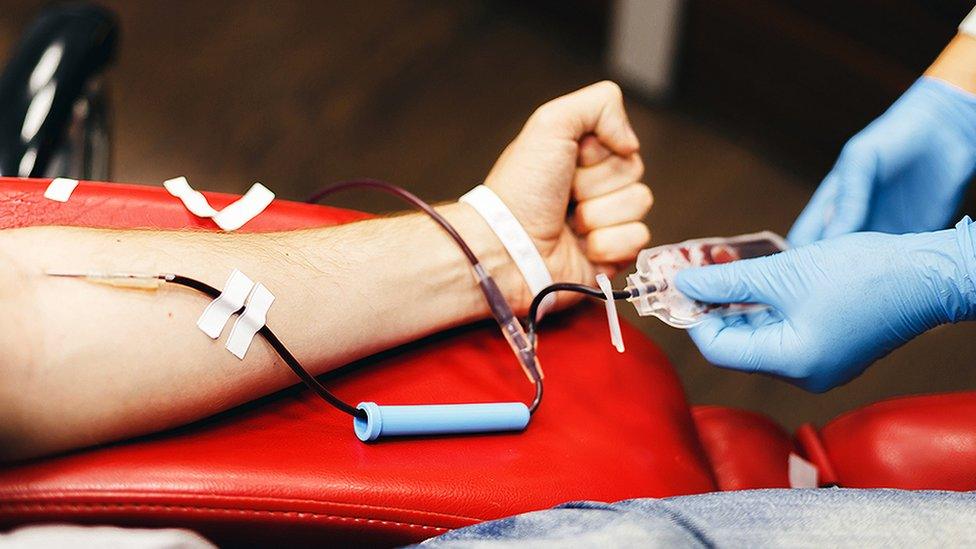
Many people are curious about how their body reacts once the process of donation blood plasma is complete. Plasma donation is designed to be safe, controlled, and well tolerated by healthy individuals, but the body still goes through natural adjustments afterward. Understanding these changes helps donors feel more confident and prepared for what to expect.
Right after donation blood plasma, your body begins working to restore the fluid volume that was collected. Plasma is mostly water, along with proteins and nutrients, so the first response is a shift in fluids within your bloodstream. This is why hydration is strongly encouraged before and after the procedure. Drinking water helps your body replace lost fluids more efficiently and reduces the chance of feeling lightheaded or tired.
Some donors notice mild fatigue following donation blood plasma. This is not a sign of harm but rather a signal that the body is allocating energy toward recovery. Resting for a short time and eating a balanced meal usually helps restore normal energy levels quickly. Most individuals are able to return to daily activities within a few hours.
A small bandage is placed at the needle site, and minor tenderness or bruising may occur. This is a normal reaction and typically fades within a few days. These immediate effects are temporary and manageable with proper aftercare.
How Your Body Replenishes Plasma
One of the remarkable aspects of donation blood plasma is how efficiently the human body replaces what was given. Plasma volume is usually restored within twenty four to forty eight hours. This rapid recovery is possible because plasma is largely composed of water, electrolytes, and proteins that the body regularly produces.
The liver plays an important role in this process by producing the proteins found in plasma. Your circulatory system also adjusts by redistributing fluids to maintain balance. This natural regeneration is the reason donors can safely participate in donation blood plasma more frequently than whole blood donation.
Eating nutritious foods and staying hydrated supports this replenishment process. Protein rich meals assist the body in rebuilding plasma proteins, while fluids help restore overall blood volume. The body treats this recovery as part of its normal function, which is why healthy donors rarely experience long term effects.
Understanding how the body restores itself reassures many individuals who are concerned that donation blood plasma might weaken them. In reality, the body is built to recover quickly and efficiently.
Why Some People Feel Tired After Donation
Fatigue is one of the most common questions people ask after donation blood plasma. While not everyone experiences it, some donors report feeling slightly tired or sluggish for a few hours. This sensation occurs because the body is redirecting energy toward replenishing fluids and proteins.
Low hydration before donation can make this feeling more noticeable. When the body lacks sufficient fluids, recovery takes longer and energy levels may dip temporarily. This is why medical staff emphasize drinking water and eating properly before and after the procedure.
Rest is the best response to this temporary fatigue. Allowing the body a short recovery period helps it return to normal quickly. Most donors find that by the next day, they feel completely fine and ready to resume regular routines without any lingering effects from donation blood plasma.
Changes in Circulation and Hydration Levels
After donation blood plasma, your circulatory system adjusts to the slight reduction in fluid volume. Blood pressure may drop briefly, which can cause lightheadedness if you stand up too quickly. Sitting for a few minutes after the procedure and drinking fluids helps stabilize circulation.
Hydration plays a key role in how you feel. The more fluids you drink, the faster your body can restore balance. This is why donors are encouraged to avoid alcohol and caffeine for several hours, as these can contribute to dehydration.
Your body naturally prioritizes maintaining stable circulation, so these changes are short lived. Within a day or two, hydration and blood flow return fully to normal levels.
Long Term Effects and Overall Health
People often wonder whether repeated donation blood plasma affects long term health. For healthy individuals who meet eligibility requirements, there is no evidence that regular plasma donation causes harm. In fact, many donors participate for years without experiencing negative effects.
The screening process before each visit ensures that donors remain healthy enough to continue. If protein levels, blood pressure, or other vital indicators are outside safe ranges, staff will advise waiting before donating again. These safeguards protect donor well being at all times.
Some donors even report feeling more mindful of their health because of the routine checks involved in donation blood plasma. Staying hydrated, eating well, and maintaining good habits become part of their routine, which supports overall wellness.
Understanding what happens inside your body after donation blood plasma removes uncertainty and highlights how naturally the body adapts. With proper care and attention, the recovery process is smooth, allowing donors to continue helping others while staying healthy themselves.